
Training
Complex subjects can be talked through.
We are Anu and Linda, and we studied industrial ecology. We look at the whole business: where materials come from, how a product is made and what happens after it has been used. In our training, we connect standards with questions that arise in your work.
Choose a course
Scheduled training
 10:00
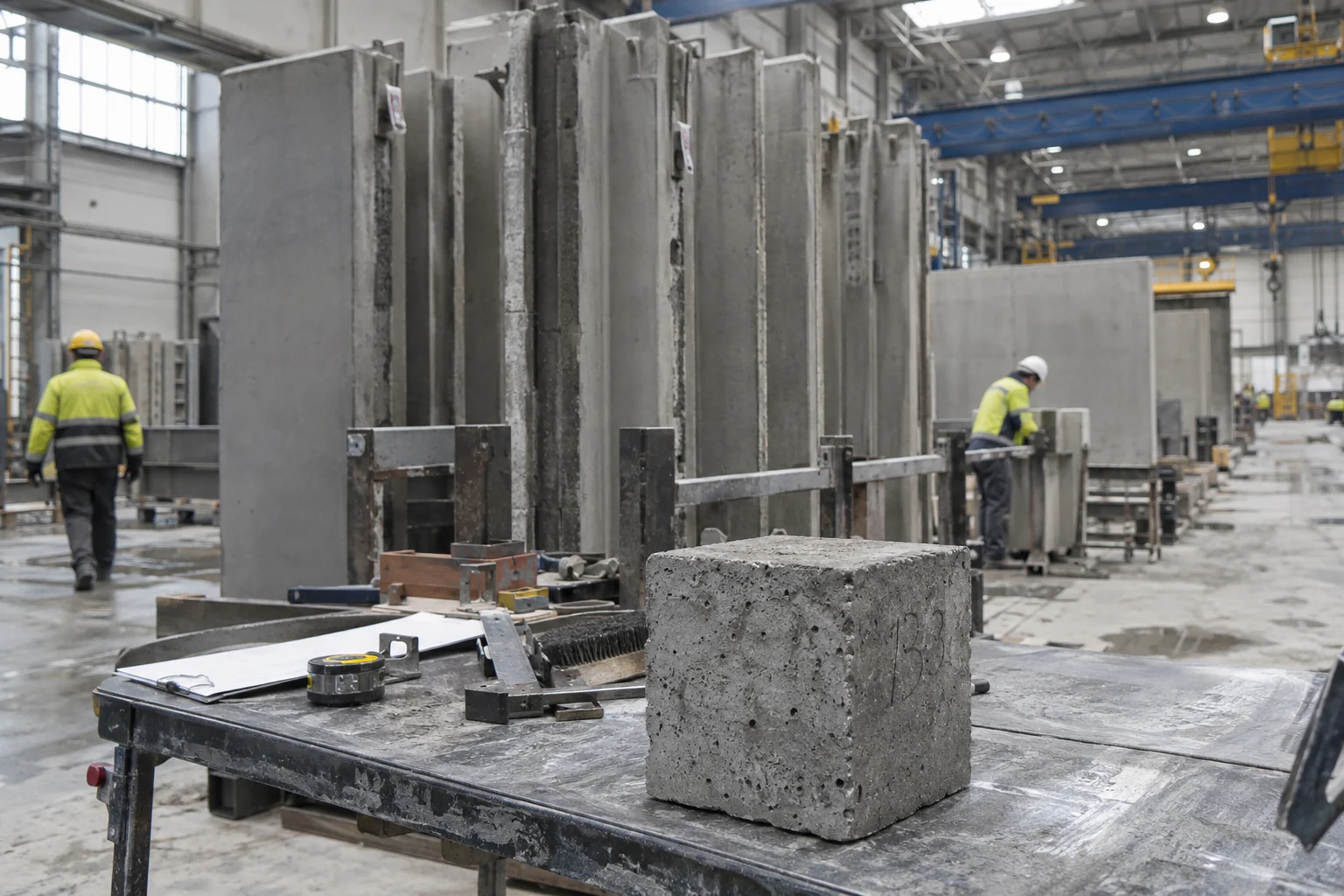
Construction Products Regulation: new requirements for declaring product environmental impacts
View curriculumClose curriculum
10:00
Construction Products Regulation: new requirements for declaring product environmental impacts
View curriculumClose curriculum
Sample training. The date, time, fee and curriculum are illustrative.
Audience
Specialists and managers whose work relates to the training topic.
Learning outcomes
Sample learning outcome: participants can identify their organisation’s initial questions and plan their next steps.
Curriculum
Sample curriculum
- Declaring the environmental impacts of construction products.
- Sample exercise in mapping input data.
- Questions and discussion.
 10:00
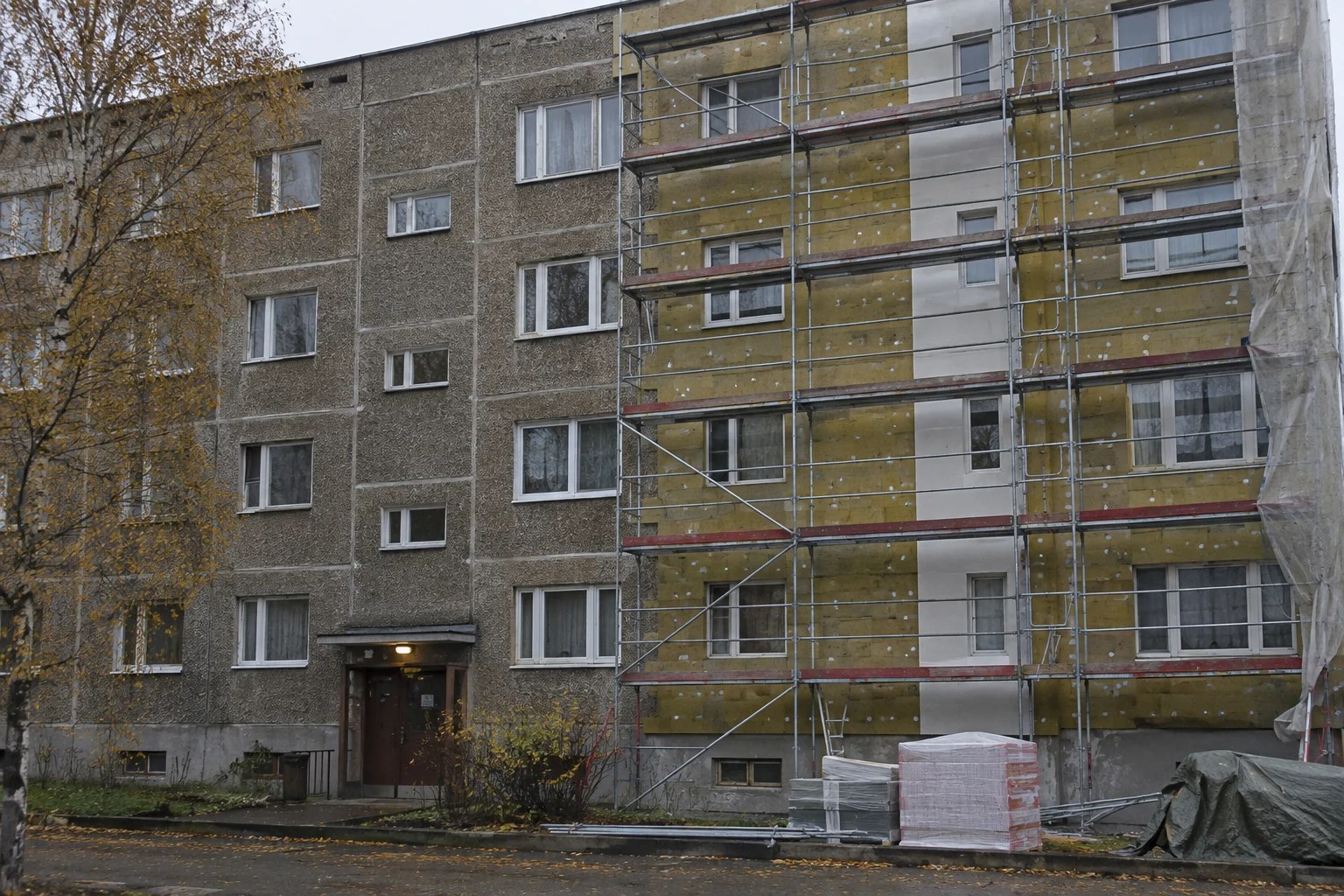
Changes to the Energy Efficiency Directive: new requirements for designers
View curriculumClose curriculum
10:00
Changes to the Energy Efficiency Directive: new requirements for designers
View curriculumClose curriculum
Sample training. The date, time, fee and curriculum are illustrative.
Audience
Specialists and managers whose work relates to the training topic.
Learning outcomes
Sample learning outcome: participants can identify their organisation’s initial questions and plan their next steps.
Curriculum
Sample curriculum
- Considering energy efficiency requirements in design.
- Sample exercise in mapping input data.
- Questions and discussion.
 10:00
Digital product passport and declaration of performance and conformity
View curriculumClose curriculum
10:00
Digital product passport and declaration of performance and conformity
View curriculumClose curriculum
Sample training. The date, time, fee and curriculum are illustrative.
Audience
Specialists and managers whose work relates to the training topic.
Learning outcomes
Sample learning outcome: participants can identify their organisation’s initial questions and plan their next steps.
Curriculum
Sample curriculum
- Foundations for preparing a digital product passport and a declaration of performance and conformity.
- Sample exercise in mapping input data.
- Questions and discussion.
 10:00
Preparing a product circularity data sheet
View curriculumClose curriculum
10:00
Preparing a product circularity data sheet
View curriculumClose curriculum
Sample training. The date, time, fee and curriculum are illustrative.
Audience
Specialists and managers whose work relates to the training topic.
Learning outcomes
Sample learning outcome: participants can identify their organisation’s initial questions and plan their next steps.
Curriculum
Sample curriculum
- Collecting product circularity data and preparing a data sheet.
- Sample exercise in mapping input data.
- Questions and discussion.
 10:00
Calculating an organisation’s carbon footprint
View curriculumClose curriculum
10:00
Calculating an organisation’s carbon footprint
View curriculumClose curriculum
Sample training. The date, time, fee and curriculum are illustrative.
Audience
Specialists and managers whose work relates to the training topic.
Learning outcomes
Sample learning outcome: participants can identify their organisation’s initial questions and plan their next steps.
Curriculum
Sample curriculum
- Preparing to calculate an organisation’s carbon footprint.
- Sample exercise in mapping input data.
- Questions and discussion.
 10:00
New methodology for calculating a building’s carbon footprint
View curriculumClose curriculum
10:00
New methodology for calculating a building’s carbon footprint
View curriculumClose curriculum
Sample training. The date, time, fee and curriculum are illustrative.
Audience
Specialists and managers whose work relates to the training topic.
Learning outcomes
Sample learning outcome: participants can identify their organisation’s initial questions and plan their next steps.
Curriculum
Sample curriculum
- Input data and workflow for calculating a building’s carbon footprint.
- Sample exercise in mapping input data.
- Questions and discussion.
On-demand training
 ISO 59000
 standards — your path to becoming a circular economy expert
View curriculumClose curriculum
ISO 59000
ISO 59000 standards — your path to becoming a circular economy expert
View curriculumClose curriculum
The aim of the training is to give participants the knowledge and skills to apply circular-economy principles in accordance with the standards. The training helps a company prepare to issue a digital product passport. Participants gain an overview of how to steer product development to take circularity requirements into account.
Audience
The training is aimed at employees who work with sustainability topics in companies. It is suitable for both beginners and experienced specialists who wish to acquire or deepen their knowledge of implementing the ISO 59000 family of standards.
Learning outcomes
- Understands the requirements of the ISO 59000 series of circular-economy standards and can interpret them in both product-development and organisational contexts.
- Can plan and implement circular-economy principles in accordance with the requirements of the ISO 59000 standards.
- Can measure circularity and prepare a product circularity data sheet in accordance with EVS-ISO 59040:2025.
- Applies circular-economy principles in sustainability reporting.
Curriculum
- Overview and principles of the ISO 59000 standards
- Planning and implementing resource circularity
- Assessing circularity impacts in the company and supply chain
- Preparing a product circularity data sheet (PCDS)
- Planning and disclosing circularity KPIs in reporting
 VSME / ESRS
Sustainability reporting training for small businesses
View curriculumClose curriculum
VSME / ESRS
Sustainability reporting training for small businesses
View curriculumClose curriculum
The aim of the training is to give participants practical knowledge and skills for applying the voluntary sustainability reporting standard (VSME) in their work. The training is built in the language of accountants and based on the chart of accounts, drawing on data that already exists.
Audience
The training is aimed at accountants and finance professionals who wish to deepen their knowledge of sustainability reporting and learn to apply the voluntary sustainability reporting standard (VSME) in their own company or for their clients. No prior experience in sustainability reporting is required.
Learning outcomes
- Understands the logic of the VSME standard and its connection to accounting.
- Can collect, analyse and present ESG data from existing systems.
- Knows how to connect costs, quantities and personnel with sustainability reporting.
- Applies existing data in VSME reports and supplements it each year systematically and efficiently.
Curriculum
- The nature and audience of the VSME standard
- The role of accounting in sustainability reporting
- Data collection and categorisation
- Processing environmental data
- Social and governance data
- Preparing a sustainability report under the VSME standard
 Level(s) / Taxonomy
Calculating environmental impacts and circularity in construction
View curriculumClose curriculum
Level(s) / Taxonomy
Calculating environmental impacts and circularity in construction
View curriculumClose curriculum
At the request of financiers, the construction and real-estate sector must disclose data demonstrating a building’s sustainability. The assessment methodology is based on the Level(s) framework. The Environmental Act adds a requirement to also take resource-efficiency and material-circulation indicators into account.
Audience
The training is aimed at architects, designers, and companies in the construction and real-estate sector. It is suitable for both beginners and experienced specialists who wish to acquire or deepen their knowledge of assessing the environmental impacts and sustainability of organisations and buildings.
Learning outcomes
- Understands sustainability reporting requirements and can interpret them in both product-development and organisational contexts.
- Can plan and implement the measurement of life-cycle environmental impact.
- Can use the Level(s) framework.
- Applies the Level(s) framework in sustainability reporting.
Curriculum
- Life-cycle and systems-thinking principles
- The Level(s) framework
- Bill of Quantities of materials and service lives (UM3 indicator 2.1)
- Calculating the carbon footprint of a building and organisation
- Circularity indicators in construction
 GHG Protocol
CO2 jalajälje arvutamine
View curriculumClose curriculum
GHG Protocol
CO2 jalajälje arvutamine
View curriculumClose curriculum
Koolitus valmistab osalejad ette KHG arvutuste läbiviimiseks oma ettevõttes, andmete kogumiseks ja analüüsimiseks ning digilahenduste ja AI kasutamiseks. Osalejad omandavad teadmised ja oskused KHG jalajälje heitmete arvutusmetoodikast, kaardistavad oma ettevõtte sisendid ning viivad läbi jalajälje arvutused.
Audience
Koolitus on suunatud töötajatele, kes tegelevad ettevõtetes kestlikkuse teemadega. Sobib nii algajatele kui ka kogenud spetsialistidele, kes soovivad omandada või täiendada teadmisi KHG emissioonide arvutamise osas.